Tech talks in Cape Town
01 November 2025
The increased use of camera technology has seen an increase of 35% in incidents detected via the CCTV network, and well over a thousand Body Worn Cameras rolled out for use by enforcement services staff. Read more below:
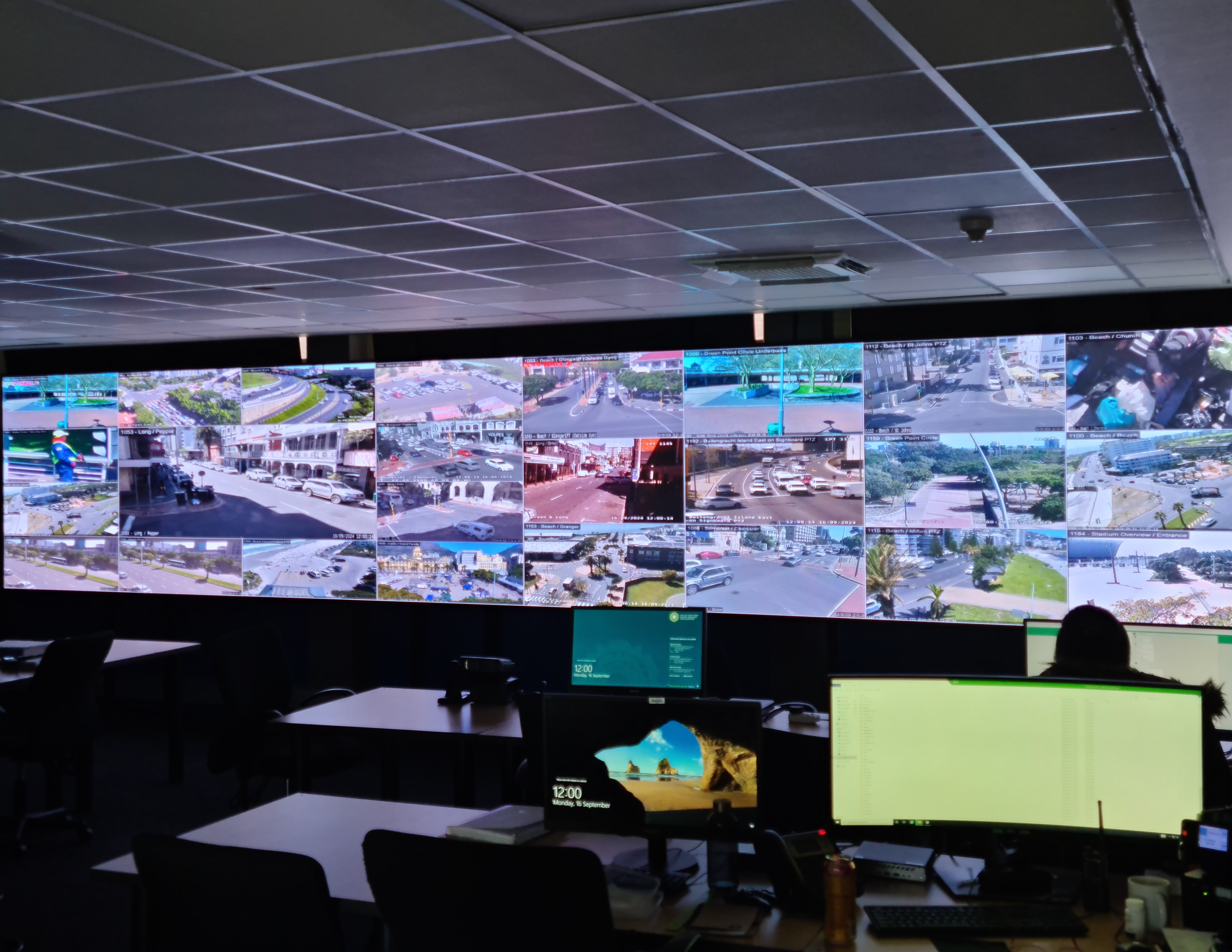
The Metro Police Strategic Surveillance Unit (SSU) is in its 25th year of overseeing the CCTV network, which has expanded to an overall tally of nearly 1 200 cameras in various parts of the metropole.
The network is a force multiplier, and allows for both proactive and reactive policing.
In the last financial year (1 July 2024 – 30 June 2025), the CCTV system detected 59 526 incidents – an increase of 35% year-on-year. Of these, 27 059 were criminal incidents, resulting in 458 arrests.
Among the arrests were 75 for driving under the influence related to motor vehicle accidents; 27 for smash and grab/theft out of motor vehicle; 23 for cable theft and 154 for possession or dealing in drugs.
In the current financial year, the SSU is overseeing the installation of cameras and infrastructure to the value of nearly R14,4 million.
Areas that will benefit from installations in this 12-month period include Langa, Beacon Valley, Brown's Farm, Macassar, Morningstar, Durbanville, Electric City and Malibu Village.
'In recent years, we've managed to grow the City's CCTV footprint, reduced the percentage of camera outages and increased the number of incidents detected. And while the instinct is to view them as tools in the fight against crime, the camera network is so much more. It triggers emergency responses where victims aren't able to call for help themselves, identifies threats before incidents happen, and deter incidents of crime or other anti-social behaviour.
'We've also started using other means of aerial monitoring, like drones, and sharing footage for public consumption to show how the tech that the City is investing in, is being utilised. In one of our most viewed clips earlier this year, a drone was able to follow a suspect who was hiding alongside the R300, and lead officers straight to him, and the illegal firearm he had in his possesison,' said Mayoral Committee Member for Safety and Security Alderman JP Smith.
IN-VEHICLE AND BODYWORN CAMERAS
In-vehicle cameras have been used, particularly by the Traffic Services, for a few years already – currently, there are just over 300 such cameras in use.
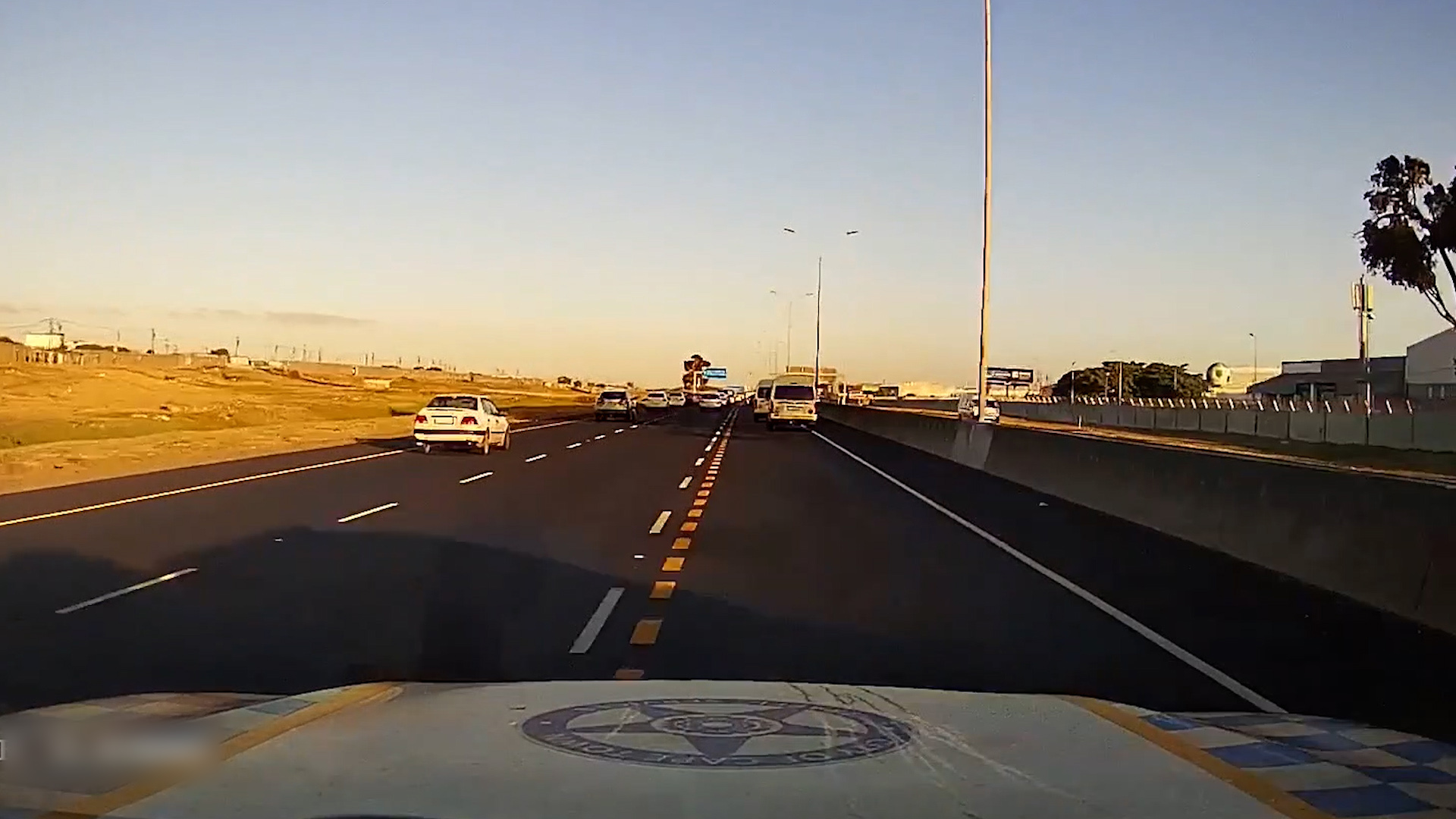
Two years ago, the Directorate also started its rollout of Body Worn Cameras (BWC).
During the first rollout phase, 1 250 BWCs were acquired for use by enforcement services staff. An additional 1 000 cameras is currently being rolled out.
A standard operating procedure has been developed, which outlines training requirements and guides staff on the use of their BWCs.
Footage obtained via the devices is securely stored using a Digital Evidence Management Solution.
Footage can only be accessed by persons with the necessary credentials, and where footage is released for legal or other purposes, it is done in a manner to ensure the chain of custody is preserved.
'Video footage can help identify suspects, convict them and be the impartial observer of interactions or incidents, protecting both the public and our staff members. The incidents captured on video also offer valuable insights into the challenges that come with enforcement, but at the same time they are valuable tools in our public education and awareness efforts,' added Alderman Smith.
End
Published by:
City of Cape Town, Media Office